Saturday, February 27, 2010

#3 My Chemical Romance - The Black Parade (2006)


My Chemical Romance gets a lot of guff. They're one of those bands that became so popular so quickly than anyone with the least bit of elitism in their blood wrote them off on principle. The goth make-up, swoopy emo boy haircuts and fifteen year-old girl fanbase didn't help their case, either.

If you write off bands for their public image, you're probably going to miss the good they have to offer. And this is a band that has some good to offer. First of all, this particular album is a huge leap from the band's sophomore effort, Three Cheers for Sweet Revenge. On The Black Parade, My Chemical Romance demonstrates an expertise in musicianship they never managed to highlight before. Additionally, they utilize music technology—the mix of this album is fantastic, using panning and effects in a way that accentuates the songs rather than distracting from them.

So what is it about The Black Parade that's so progressive? First of all, this is a coherent concept album, something rarely seen in the genre—particularly from a band as popular as this one. Second, this is accomplished with a dynamic range of influences, as the album quickly establishes.

The first song, "The End," starts off with an intro heavily laden with acoustic guitar and piano. From there, it bursts into a theatrical layering of guitars, drums and vocals so reminiscent of Pink Floyd's "In The Flesh" that it's a wonder the band didn't sue. These theatrics have a consistent presence in the album; the first single, "Welcome To The Black Parade," sounds more like a Queen song than a punk one.

The theme of this concept album is something that's hard for people to look at, especially young people—who are the target audience. This is an album about mortality. While the album does take a lighthearted approach in a few songs, those that are more serious are definitely worthy of praise. While there are a lot of bands that have written songs about death over the years, many of them did so to explore the romance of it... to glorify it. This album doesn't do that. This is an album that intends to make young people look at the horrors of death and laments of the dying so they can learn to value the opportunities they have in their lives.

Friday, February 26, 2010

The Cure - Disintegration 20th Anniversary Edition


Quick break from the whole punk thing---I just found out The Cure is releasing their 20th anniversary edition of Disintegration on April 6. Everyone should pre-order it here: http://www.amazon.com/dp/B0030U1TLQ/ref=pe_55290_14398890_pe_vfe_t1

And yes, I mean everyone. There are a lot of things I could say to sell you on this album, but I don't want to. This one should really speak for itself.

This deluxe edition includes a newly remastered version of the original album, a disc of b-sides, demos and instrumentals, and a version of the album played live in its entirety.

Thursday, February 25, 2010

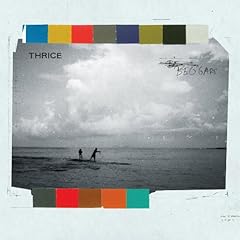
#2 Thrice - Beggars (2009)


Thrice have always seemed like the philosophers of the punk scene. Even their breakout album, The Artist In The Ambulance, was filled with introspective soul searching. Lately, they’ve been taking this to a whole new level. The Alchemy Index was a four disc album devoted to the elements (Earth, Air, Fire and Water). This was perhaps their most artistic and literary endeavor; many lyrics on the album explored mythology and legend, from Davey Jones to Daedalus.

Beggars is the culmination of Thrice’s career. Their sound has become defined and polished, their lyrics are poetic and relevant. This album is a huge contrast to the fantasy of The Alchemy Index. While many of the themes are similar, the context is much more modern. They explore human error in many facets; emotional and social issues that are unfortunately turning into accepted practices.

The album kicks off with a coherent thesis. “We are saints made of plaster, our laughter is canned; we are demons that hide in the mirror… but the blood on our hands paints a picture exceedingly clear. We are brimming with cumbersome, murderous greed and malevolence deep and profound. We do unspeakable deeds… does our wickedness know any bounds? Something’s gone terribly wrong with everyone; all the world is mad.” This commentary is anything but subtle, and the lyrical tone continues this way throughout the album.

“The Weight” dives into the issue of selfishness in relationships. “Love is a loyalty sworn, not a burning for a moment.”

“True progress means matching the world to the vision in our heads, but we always change the vision instead,” laments “Circles.”

While this tone can feel judgmental, it is exceptionally honest and poignant. The narrator finally admits to his own weaknesses and mortality in “At the Last.” “Am I a good man? I thought I was, but the rewards of this life now count for naught. My body soon buried and left to rot. The time’s gone, how quickly it all passed. My God, now I see how I’ve squandered each and every breath.”

By the time Thrice concludes their album, it’s difficult for an active listener to walk away from the experience unchanged. The themes explored through the album are extremely human, and---while they do retain a timeless quality---they are also extremely relevant to these particularly trying social and political times.

“All you great men of power, you who boast of your feats---
Politicians and entrepreneurs.
Can you safeguard your breath in the night while you sleep?
Keep your heart beating steady and sure?
As you lie in your bed, does the thought haunt your head
That you’re really rather small?
If there’s one thing I know in this life…
We are beggars all.
All you champions of science and rulers of men,
Can you summon the sun from its sleep?
Does the earth seek your counsel on how fast to spin?
Can you shut up the gates of the deep?
Don’t you know that all things hang, as if by string
Over darkness, poised to fall?
If there’s one thing I know in this life…
We are beggars all.
All you big shots that swagger and stride with conceit,
Did you devise how your frame would be formed?
If you’d been raised in a palace or live out on the street,
Did you choose the place or the hour you’d be born?
Tell me, what can you claim? Not a thing. Not your name.
Tell me if you can recall just one thing that’s not a gift in this life.
Can you hear what’s been said? Can you see now that everything’s graced after all?
If there’s one thing I know in this life…
We are beggars all.”

Wednesday, February 24, 2010

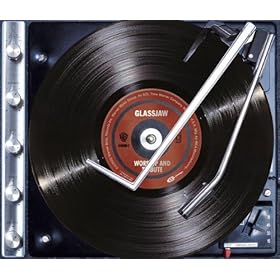
#1: Glassjaw - Worship and Tribute (2002)


This is an album ahead of its time in many ways. It has received a lot of praise from critics, and many bands have cited it as a source of inspiration. However, there is one very relevant social issue that Glassjaw explores on the album which tends to be overlooked.

Natives of Long Island, New York, the members of Glassjaw were doubtlessly affected by the attacks on September 11, 2001. Additionally, they’re a band renowned for their ability to translate anger into a sonic fury just as intense as the emotion itself. You would think their response to the attacks would be executed in this fashion. But it wasn’t.

One of the album’s most underrated tracks, “Radio Cambodia,” responds to the attacks in a way that is so mature and relevant that most listeners don’t even make the connection to the song’s inspiration. This track stands out on the album, as singer Daryl Palumbo’s vocals are soothing and pop sensible; a contrast to his signature screaming and his frantic deliveries which frequent the rest of the album.

In 2002, no one would have blamed Glassjaw if they had put out a track that was culturally insensitive; if their signature fury had been harnessed and aimed at the culture of those who had attacked the band’s home. But they didn’t and it wasn't. They wrote a song that commented on the dangers of ignorance and violence; a song aimed not at any specific peoples, but all people. They wrote a song about the human disposition.

“I’m not impressed---I guess I’m not impressed with this dialect, which dialect marches best and who reaches heaven in what order---when our kids are baptized in mortar. It’s a shame that our messiahs moved their pawns from different mountains, and we’re left to dance these bodies ‘round the fountain. If a leader preaches worship to the sheep within the valley, who’ll be riding in a tank that says ‘just married’? We’ve found that ultimately you can make it snow in the summer. Contrary to what you believe, we oscillate and vary speed. The food in jail is sulfury. How do Inuits spell ‘relief’? Summer’s trudging closer and a flurry of white as well. It’s the heart of nuclear winter and I’m scared as hell."

The Shape of Punk That's Come

As a preface, I’d like to make something clear: I’m not a genre snob, and don’t plan to become one any time soon. Arguments over the differences between punk and emo, screamo and hardcore, alt-rock and prog-rock, post-hardcore and… well, you get the idea. These arguments are trite, elitist and generally useless. That said…

I’ve noticed a trend in punk music, particularly in recent years. A genre that was once based on defiance (generally with the intention of social progress), punk went through a significant change in the late 1990’s. Suddenly, a scene that was once respected for its progressive goals became a haven for depression artists writing whiny ballads about heartbreak; cliché pop songs hidden under a mask of crashing cymbals and distorted electric guitars.

That’s changing.

The next several blog posts will be written with the intention of giving you a list of albums that represent the progress punk music is making. These albums will be reviewed only in this context.